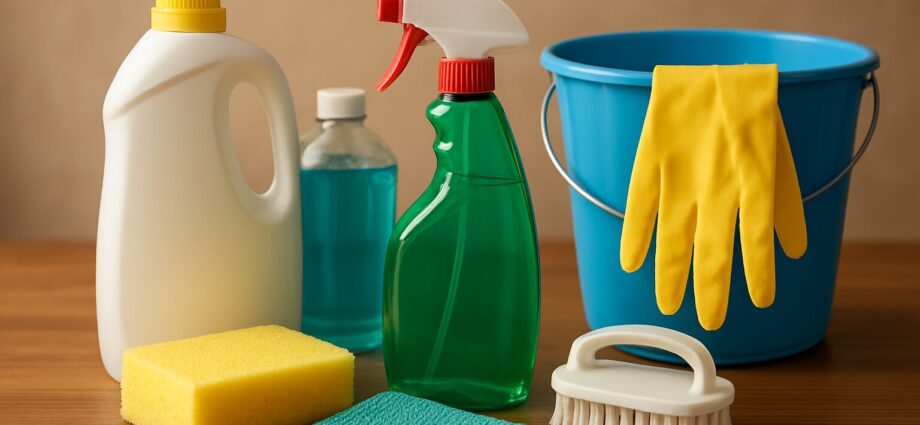
Maintaining a fresh and comfortable home requires more than occasional tidying. Regular house cleaning helps control dust, reduce unpleasant odors, manage everyday mess, and create a more inviting living environment. Consistent cleaning habits also make household maintenance easier by preventing dirt and grime from accumulating over time. From frequently touched surfaces to overlooked corners, a structured cleaning routine can contribute to a cleaner, more organized, and pleasant home.
Why Consistent Cleaning Matters for a Fresh Home
Everyday activities introduce dust, food particles, moisture, and other forms of debris into living spaces. Cooking, opening windows, walking indoors with outdoor footwear, and caring for pets can all contribute to household mess. Without regular attention, these materials may collect on floors, furniture, countertops, and other surfaces.
Consistency is important because small cleaning tasks are generally easier to manage before they become larger problems. Wiping kitchen surfaces after meal preparation, removing bathroom moisture, and vacuuming frequently used rooms can help maintain cleanliness throughout the week.
A practical cleaning schedule also reduces the need for lengthy cleaning sessions. Instead of spending an entire day addressing accumulated dirt, households can distribute tasks across manageable daily and weekly routines.
The Connection Between Cleanliness and Indoor Air Quality
Indoor air quality is an important consideration when creating a fresher home environment. Dust, pollen, pet dander, and other particles can enter living spaces or accumulate on household surfaces. Everyday movement may disturb settled dust, allowing some particles to become airborne again.
Regular dusting with suitable materials, vacuuming with effective filtration, and washing frequently used fabrics can help manage these accumulations. Paying attention to curtains, upholstery, rugs, bedding, and areas beneath furniture is also beneficial because these locations can collect dust over time.
Ventilation plays an equally important role. Opening windows when outdoor conditions are suitable or using properly maintained exhaust fans can help remove cooking odors and excess moisture. Cleaning alone cannot resolve every indoor air quality concern, but combining routine maintenance with appropriate ventilation supports a fresher indoor atmosphere.
Reducing Odors Through Everyday Maintenance
Persistent household odors often originate from ordinary activities rather than a single major problem. Food residue in kitchen bins, damp towels, dirty laundry, pet bedding, and neglected drains can all contribute to unpleasant smells.
Addressing these sources directly is more effective than relying exclusively on air fresheners. Emptying rubbish bins regularly, cleaning food preparation areas, laundering fabrics, and allowing damp items to dry completely can help prevent odors from developing.
Kitchen maintenance deserves particular attention because grease and food particles may accumulate around stovetops, backsplashes, sinks, and appliance handles. Similarly, bathrooms benefit from routine cleaning and proper ventilation to limit moisture buildup.
A fresh-smelling home is usually the result of removing odor sources, managing moisture, and maintaining clean surfaces rather than simply masking unwanted smells.
What Cleaning Habits Make the Biggest Difference?
An effective routine prioritizes frequently used spaces and tasks that prevent dirt from spreading. The following schedule offers a practical starting point for many households.
Cleaning task
Suggested frequency
Main benefit
Wiping kitchen countertops
Daily or after use
Removes food residue
Cleaning high-touch surfaces
Several times weekly or as needed
Supports routine hygiene
Vacuuming or sweeping floors
Several times weekly
Controls dust and debris
Cleaning bathroom surfaces
Weekly or more often as needed
Manages grime and moisture
Washing bedding and towels
Weekly or according to use
Removes accumulated dirt
Cleaning windows and less-used areas
Monthly or as needed
Addresses overlooked buildup
These recommendations are general guidelines rather than universal requirements. Homes with children, pets, allergy concerns, or heavy daily activity may need more frequent attention. The most effective schedule is one that reflects how the household is used.
How Cleaning Supports a More Organized Lifestyle
A clean home can make everyday activities more convenient. Clear countertops provide useful workspace, organized storage makes household items easier to locate, and regularly maintained floors create a more comfortable setting for daily movement.
Cleaning can also encourage better organization. Returning items to designated places, sorting mail, removing unnecessary clutter, and putting away belongings after use help prevent mess from spreading throughout the home.
For busy households, breaking tasks into short sessions can make maintenance more achievable. A ten-minute evening reset, for example, may be enough to clear kitchen surfaces, organize living room items, and prepare frequently used spaces for the following day.
The objective is not to maintain a perfectly staged home at all times. Instead, a realistic routine helps keep the environment functional, comfortable, and easier to manage.
Practical Ways to Make Cleaning More Efficient
Planning tasks in advance can improve efficiency and reduce unnecessary effort. Start by identifying the rooms that require the most attention, then organize tasks according to priority.
Cleaning from higher surfaces toward lower ones helps prevent dust from settling on areas that have already been cleaned. Similarly, completing dry tasks such as dusting before wet cleaning can create a more logical workflow. Using separate cloths for kitchens and bathrooms also helps prevent cross-contamination.
Choosing appropriate cleaning products is essential. Follow product labels, use the recommended dilution, and never mix cleaning chemicals, particularly bleach with ammonia or acidic cleaners. Store supplies securely away from children and pets.
Households with limited time may benefit from dividing responsibilities among family members or arranging periodic professional assistance. A combination of routine upkeep and occasional detailed cleaning can help maintain consistent standards without creating an overwhelming workload.
Frequently Asked Questions
How often should a home be cleaned?
Most homes benefit from daily attention to small messes and weekly cleaning of commonly used rooms. The precise frequency depends on household size, pets, lifestyle, and individual needs. High-traffic areas may require more frequent maintenance.
Can regular cleaning help reduce dust?
Yes. Consistent dusting, vacuuming, laundering fabrics, and cleaning neglected surfaces can help reduce accumulated household dust. Using appropriate tools and maintaining ventilation can further support dust management.
What is the best way to keep a home smelling fresh?
Remove rubbish regularly, clean food residue promptly, wash damp fabrics, maintain drains, and ventilate rooms when conditions permit. Addressing the source of an odor is generally more effective than masking it with fragrance.
Is a daily cleaning routine necessary?
Not every task needs to be completed daily. However, simple habits such as wiping spills, managing kitchen mess, putting belongings away, and addressing damp areas can prevent minor issues from becoming more difficult to manage.
Conclusion
A fresher home environment develops through consistent habits rather than occasional intensive effort. Regular attention to dust, floors, kitchen surfaces, bathrooms, fabrics, and household clutter helps maintain a comfortable and inviting living space. By creating a realistic schedule, prioritizing frequently used areas, and using cleaning products responsibly, households can make everyday maintenance more manageable. Over time, these practical habits support a cleaner, more organized home that is better suited to everyday living.