Spine care has become increasingly focused on precise diagnosis, individualized treatment, and techniques that support mobility while limiting unnecessary tissue disruption. Patients researching the best spine surgeon in tampa may be looking for specialized expertise, advanced treatment options, and a professional approach that considers both immediate symptoms and long-term spinal function. A comprehensive evaluation can help identify the source of discomfort and establish a treatment pathway suited to the individual’s condition.
What’s Covered
- What makes specialized spine care important?
- How does a spine specialist evaluate a patient’s condition?
- What treatment options are available for spinal conditions?
- How have minimally invasive techniques changed spine treatment?
- Why is personalized treatment planning valuable?
- What role does recovery play in spine care?
- How can patients prepare for a spine consultation?
- Conclusion
What makes specialized spine care important?
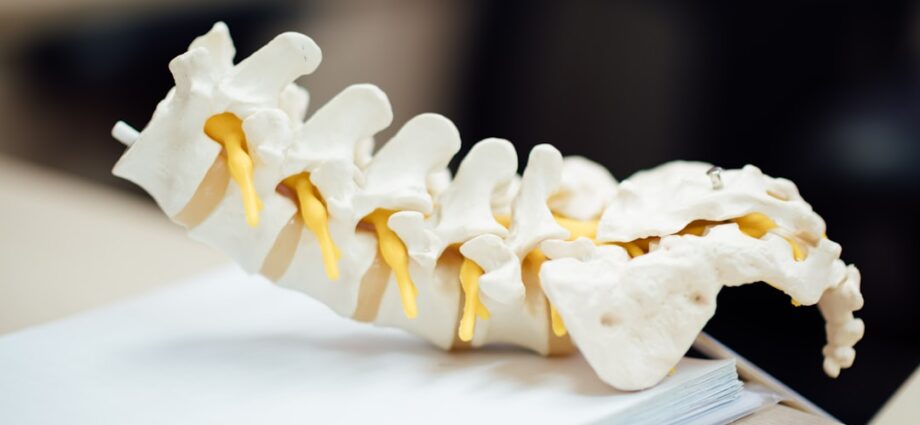
The spine is a complex structure involving vertebrae, discs, nerves, muscles, and supporting tissues. Changes in one area can influence movement and comfort elsewhere. Specialized spine care brings together knowledge of these interconnected structures to create a more focused assessment.
A specialist can examine symptom patterns, physical function, previous medical history, and relevant diagnostic information. This provides a stronger foundation for determining which treatment approach may be most suitable.
How does a spine specialist evaluate a patient’s condition?
The evaluation generally begins with a detailed discussion of symptoms and their effect on everyday activities. Physical assessment may include movement, strength, flexibility, reflexes, and other clinical observations.
When additional information is needed, diagnostic imaging can help visualize discs, vertebrae, nerves, and other spinal structures. Combining clinical findings with imaging allows the specialist to develop a clearer understanding of the condition rather than relying on symptoms alone.
What treatment options are available for spinal conditions?
Modern spine care includes a wide range of approaches. Depending on the diagnosis, patients may benefit from physical therapy, targeted exercises, activity adjustments, medication, or other conservative treatments.
When a structural condition requires procedural care, specialists can consider appropriate surgical techniques. The objective is to select an approach that addresses the specific problem while supporting the patient’s functional goals.
How have minimally invasive techniques changed spine treatment?
Advances in technology have expanded the role of minimally invasive spine procedures. Endoscopic spine techniques use specialized visualization and instruments through a small access point to reach selected areas of the spine.
For appropriate patients, this approach can provide targeted treatment while reducing disruption to surrounding muscles and soft tissue. The suitability of an endoscopic technique depends on the patient’s diagnosis, anatomy, and individual treatment requirements.
Why is personalized treatment planning valuable?
Spinal conditions can vary considerably, even when two patients experience similar symptoms. Differences in anatomy, activity level, previous treatment, overall health, and recovery expectations can influence the recommended strategy.
Personalized planning allows the specialist to consider these factors together. It can also create a more organized path from diagnosis through treatment and rehabilitation, with recommendations adjusted according to progress.
What role does recovery play in spine care?
Recovery is an important part of the overall treatment process. Depending on the procedure or treatment plan, rehabilitation may focus on restoring movement, improving strength, and gradually returning to everyday activities.
Following professional guidance during recovery can help patients understand appropriate activity levels and support steady progress. Follow-up assessments also provide an opportunity to review results and address changing needs.
How can patients prepare for a spine consultation?
Patients can make a consultation more productive by keeping track of symptom patterns, previous treatments, medications, and relevant medical records. Describing how symptoms affect work, exercise, sleep, or daily movement can also provide useful information.
A clear discussion with the specialist helps ensure that treatment goals and expectations are understood from the beginning.
Conclusion
Finding specialized spine care in Tampa begins with a thorough evaluation and a treatment philosophy centered on individual needs. Modern diagnostic methods, minimally invasive techniques, personalized planning, and structured recovery have created broader opportunities for effective spinal care. With appropriate specialist guidance, patients can pursue improved mobility, comfort, confidence, and long-term spinal function through a carefully planned approach.